
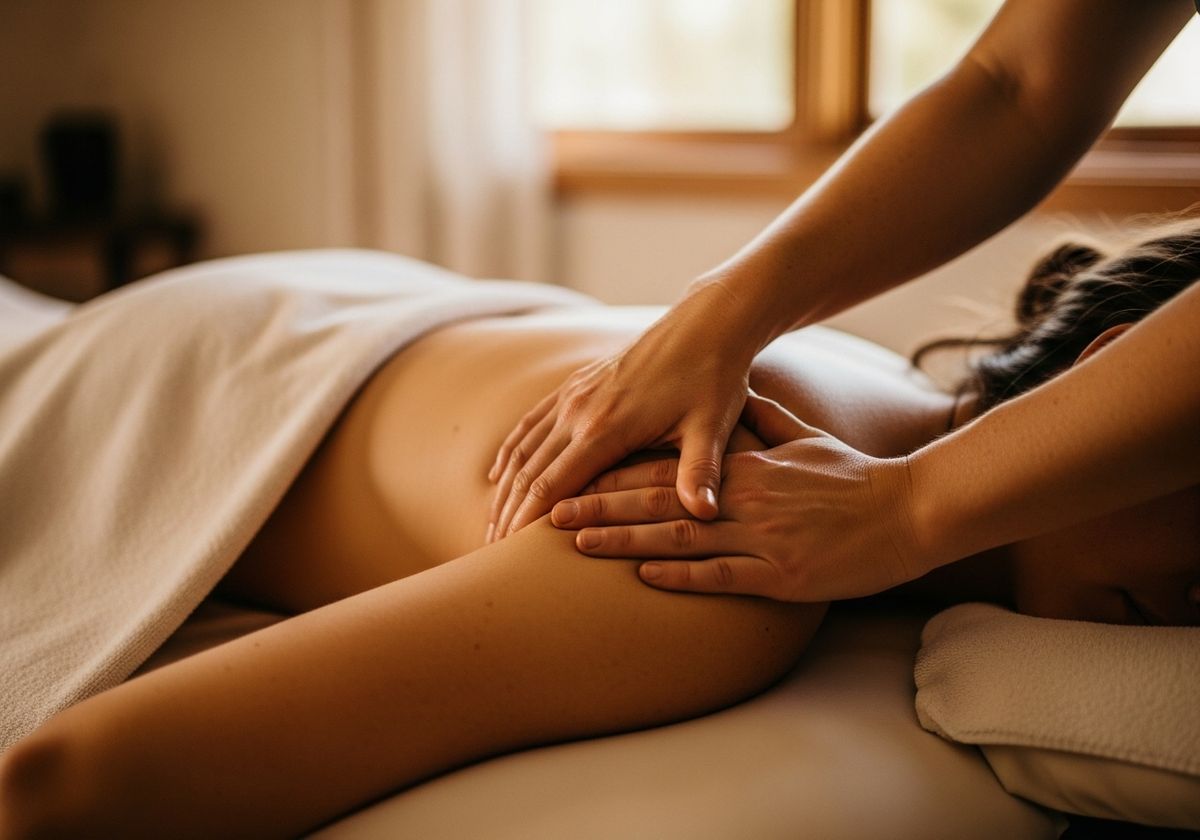
Whether you are a lifelong regular on the local Carmel tennis courts or have recently fallen in love with the fast-paced pickleball craze sweeping the Monterey Peninsula, racquet sports are an incredible way to stay active. But they also demand a lot from your body.
Sudden stops, explosive lateral movements, and intense, repetitive arm motions take a massive toll on your joints and fascia. Over time, this repetitive strain manifests as locked shoulders, aching knees, and the dreaded "tennis elbow." When ice packs and generic stretching routines stop working, standard spa pampering won't get you back on the court. You need a true, structural reset.
At Healing Home Wellness, we provide intentional, highly targeted bodywork designed to help active individuals truly heal and stay in the game.
The True Toll of the Court: Beyond Sore Muscles
Racquet sports don't just tire out your muscles; they stress your entire structural system.
Tennis Elbow (Lateral Epicondylitis): This isn't just a muscle ache; it is the inflammation and micro-tearing of the tendons that join the forearm muscles to the outside of the elbow. It is caused by the repetitive shock of the ball hitting the racquet.
Locked Shoulders: Serving and overhead smashing force the rotator cuff to work overtime. Without proper recovery, the connective tissue (fascia) around the shoulder joint thickens and tightens, restricting your range of motion and zapping your power.
Asymmetrical Strain: Because you hold the racquet in one hand, your body is constantly dealing with asymmetrical torque, which can pull your spine, hips, and opposite shoulder out of alignment.Healing Home: Your Sanctuary for Holistic Arts Bodywork
Why One-Size-Fits-All Protocols Fail Athletes
Most traditional day-spas or generic sports massage clinics treat these injuries with a standardized protocol: apply heavy friction to the sore spot until the hour is up. But aggressively "digging" into an inflamed tendon or a locked shoulder often triggers your nervous system to tense up further in self-defense.
Real healing requires a targeted approach to the connective tissues, muscles, and bones. When you visit our Carmel Rancho sanctuary, our practitioners bring a deep, listening presence to your session.
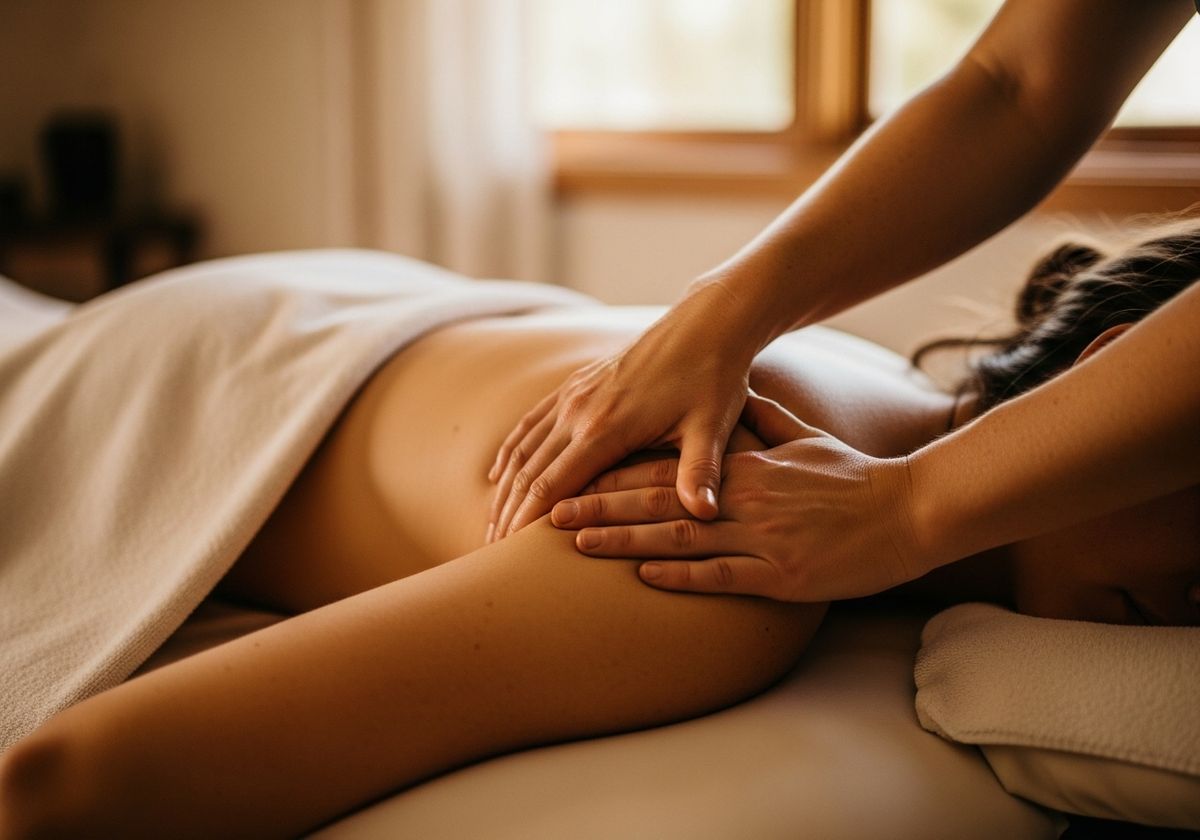
Instead of applying a one-size-fits-all routine, we listen to how your specific tissues respond. We use intentional, flowing strokes and compassionate touch to coax the nervous system out of its "fight or flight" pain response. By gently unwinding the fascia and improving blood flow to the overworked tendons, we facilitate a deep, foundational healing that a quick athletic rubdown simply cannot achieve.
Active Recovery: Playing Longer and Stronger
Staying out of pain means treating your recovery as seriously as your time on the court. Regular, intentional bodywork flushes out metabolic waste, restores the resting length of your muscles, and keeps your joints mobile.
We view bodywork as preventative medicine. By addressing minor fascial restrictions before they become major tendon tears, we help you maintain your agility, power, and passion for the game.

FAQ: Bodywork for Racquet Sport Injuries
Q: Is massage actually good for tennis elbow? A: Yes, targeted bodywork is highly beneficial for tennis elbow. Instead of just pressing on the painful joint, intentional bodywork addresses the tight forearm and shoulder muscles that are pulling on the elbow tendon. By releasing this tension and breaking up scar tissue, we increase blood flow and allow the inflamed tendon to finally heal.
Q: What type of massage is best for pickleball and tennis players? A: A blend of deep tissue work and myofascial release is ideal. This approach targets the specific repetitive strain placed on the shoulders, elbows, and hips, while restoring overall structural balance to counter the asymmetrical nature of racquet sports.
Q: How often should I get a massage if I play racquet sports several times a week? A: For active players looking to prevent injury and maintain peak mobility, receiving intentional bodywork every two to four weeks is highly recommended. It serves as essential maintenance for your joints and connective tissues.